

When Someone Trusts you with their Story
On the gift and responsibility of confianza in storytelling
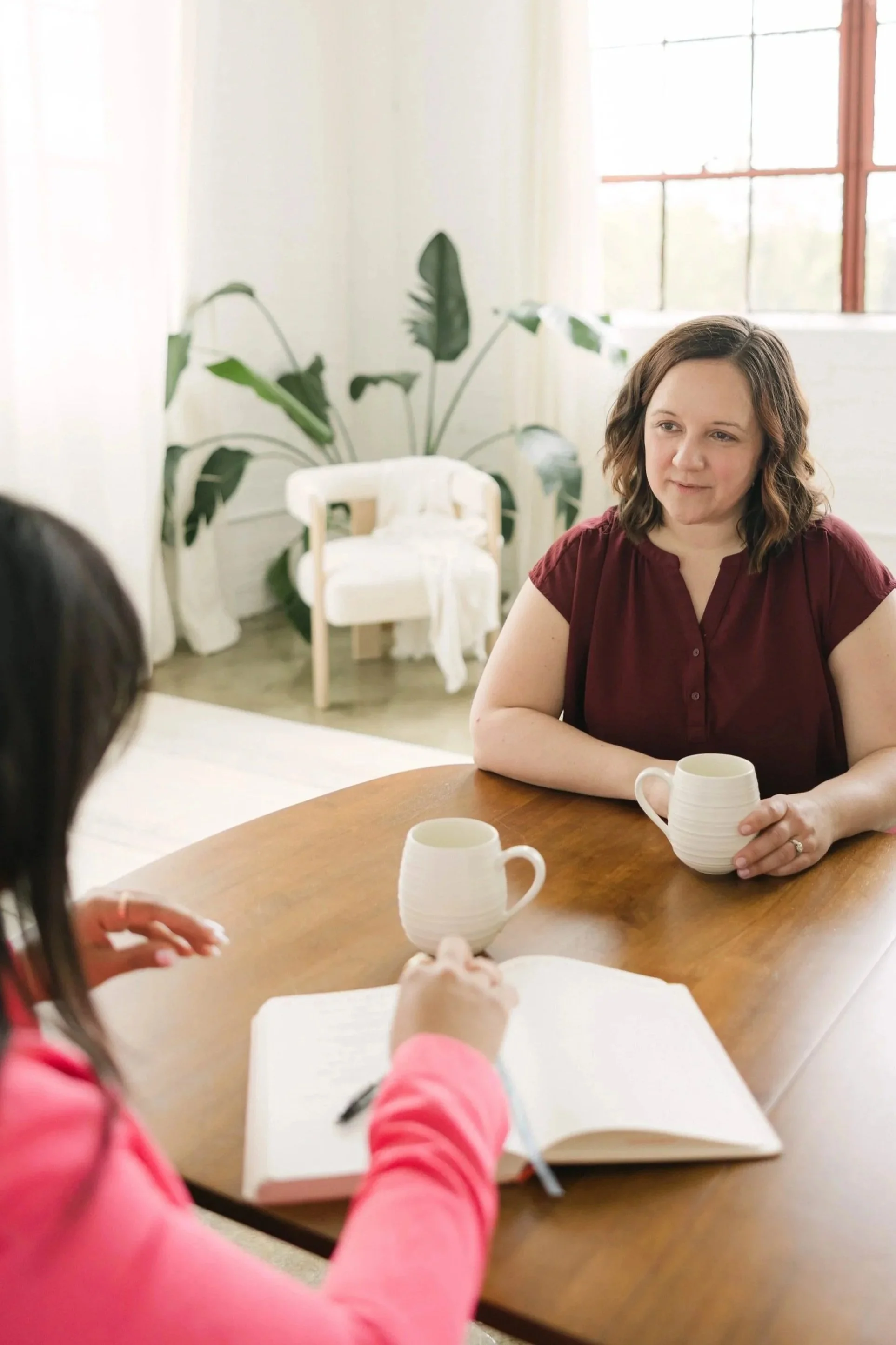
Rachel sitting at a table with Gaby having a conversation over coffee
I’m someone who people have often felt comfortable opening up to.
Whether or not you are that kind of person, too, you probably understand that we don’t trust our stories with just anyone.
And when we do, it can be a big deal.
As a former writing teacher and qualitative researcher, my jobs have always included the experience of having others share stories with me.
When I taught classes on writing and healthcare, students disclosed more than I ever expected about their own health. I wouldn’t prompt them to tell me these things…I just did my best to create a space that felt safe for them to learn, ask questions, and develop their writing.
In those spaces, they opened up about mental health, past traumas, and hopes for the future. It was a lot…but it was also a gift that they trusted me enough to share these things.
Similarly, in my work as a researcher, I had the privilege of hearing others’ stories through interviews and focus groups. They didn’t always go deep or personal, but many times they did. What started as a set of simple, open-ended questions to learn more about promotores de salud (health promoters) and creating confianza (trust/confidence) with communities turned into something much deeper as participants opened up about their personal experiences and the stories that others tell them en confianza.
The five year project that I did with promotores de salud made it very clear that with confianza comes great responsibility to care for the stories that are shared with us.
It was also clear how challenging it can be for people to hold space for those stories as they often carry the weight of them throughout their days.
My research project began in the start of the Covid pandemic when ongoing stress for Latine communities was exacerbated by health concerns, shutdowns, and pressures to keep showing up as frontline workers. The promotores de salud that I worked with saw the intense impact of this time on their communities through the many phone calls they received, the heartbreaking stories they heard, and the visits they made to people’s homes.
Our current moment is similar with how rampant fear and isolation are becoming as people are scared of, and impacted by, increasing ICE raids and deportations in the U.S.
Right now is simultaneously a difficult time to share stories safely and an important moment to be sure that stories aren’t erased or silenced.
When I think back to the fall of 2020, with all of the trauma and loss so many experienced (myself included), I am grateful for the reminder that beautiful things can still be created in the midst of difficult circumstances.
That fall, the director of the promotores program I worked with, Maria Barker, asked if I’d be willing to teach a writing class for them to help get stories written down. That idea sparked months-long conversations and planning that led to a community writing class I taught on Zoom for two cohorts of writers who worked with communities across Wisconsin, Puerto Rico, and Perú.
In collaborating with the writers in the first cohort, one of my doctoral students at the time, Danielle, and Maria, Cuentos de Confianza became a real thing that we created together to write and share stories about lived experiences and community work on the path toward reproductive justice. The promotores used the stories to facilitate conversations in community gatherings about topics like maternal mental health, immigration, domestic violence, parenting, infertility, self-love, and more.
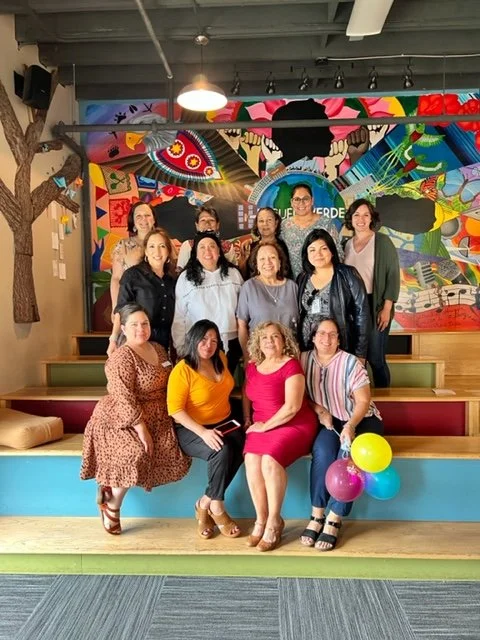
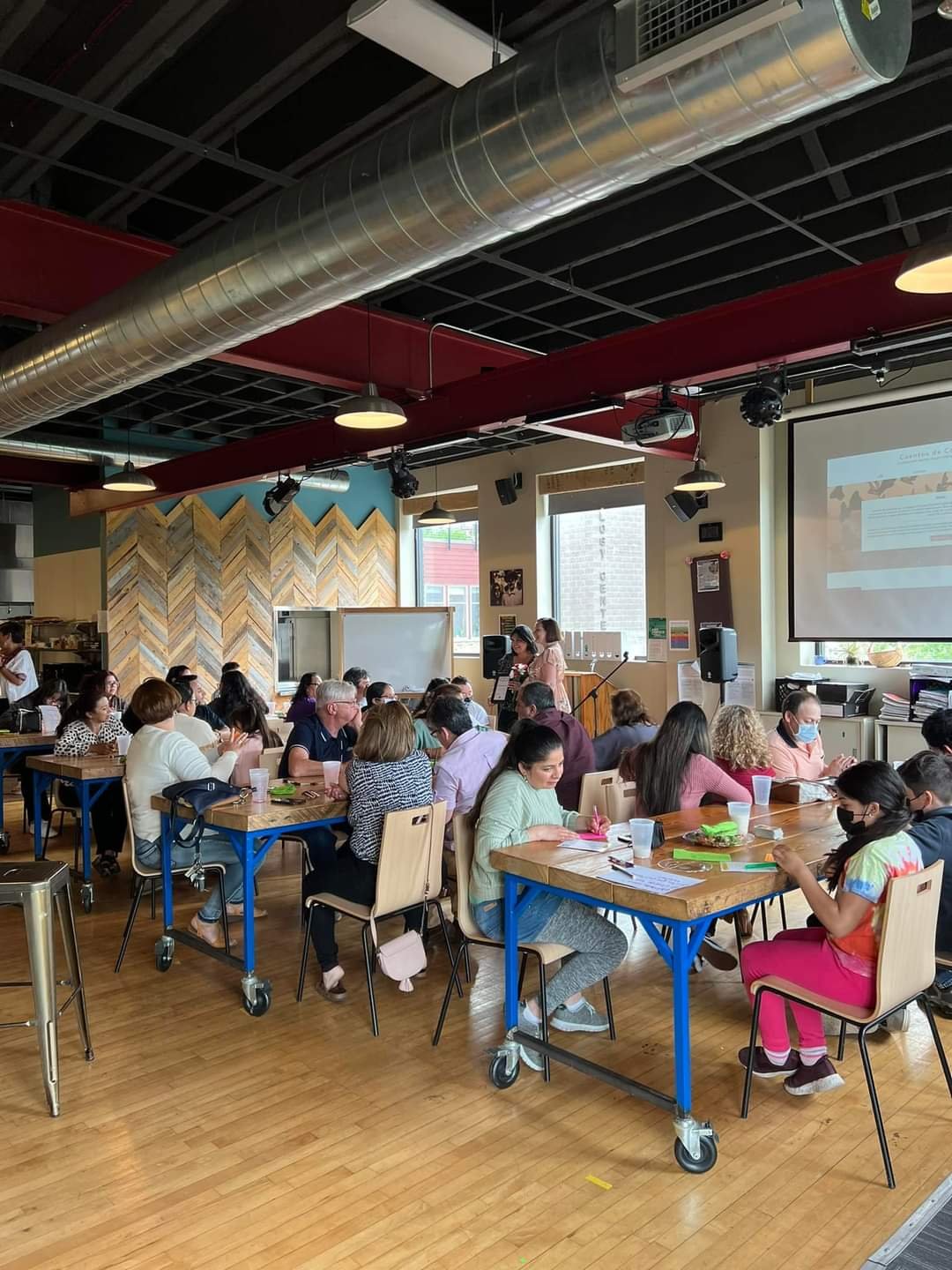
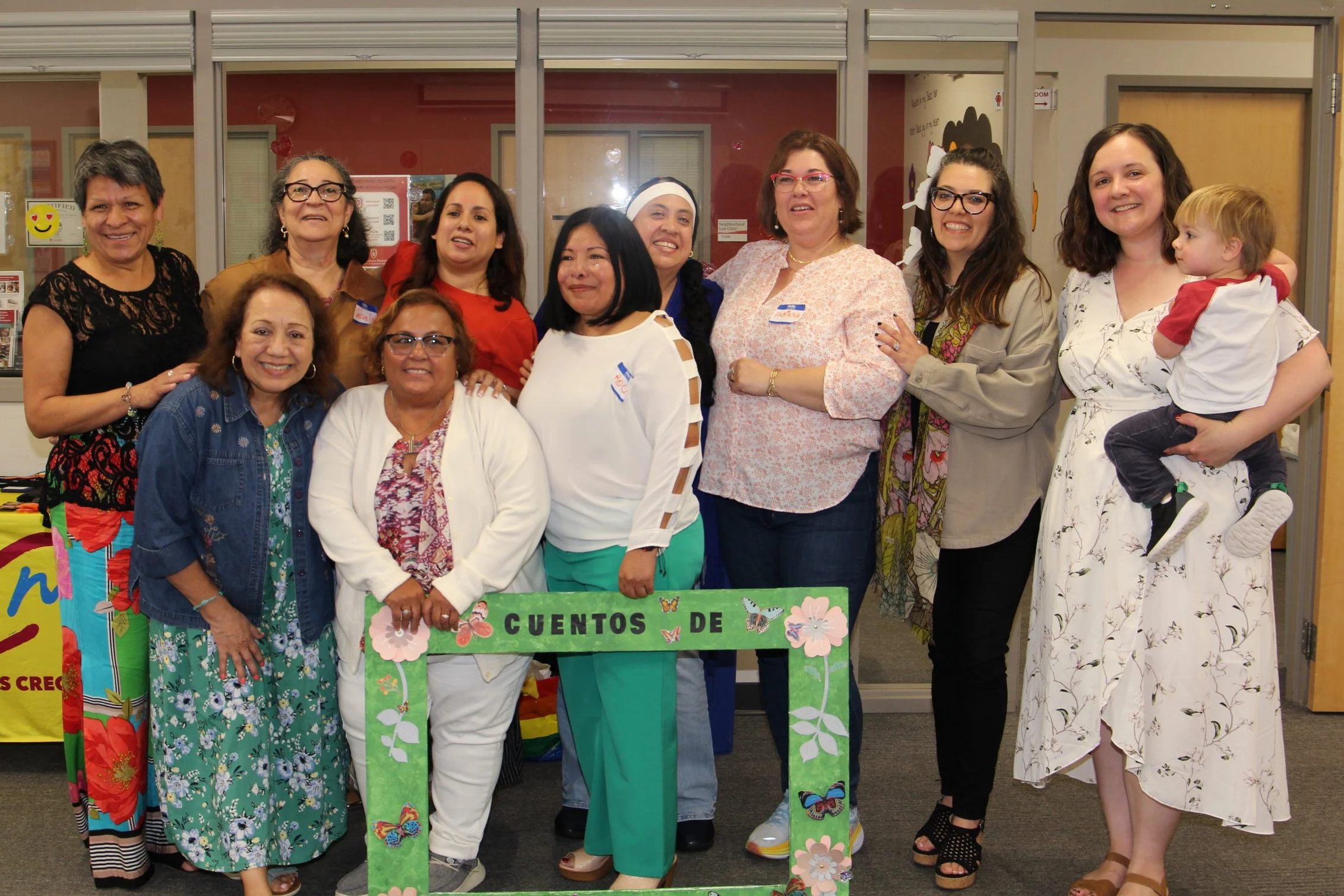
Photos from the two Cuentos Graduation Celebrations (2022 & 2024)
As I met one-on-one various times with each of the 13 writers, I listened to heartbreaking stories and talked through ideas for what they wanted to share and the impact they hoped their stories could make in the world. We also discussed risk in publicly writing about their stories and work with reproductive health education.
To use a phrase they taught me in our focus groups from 2019, we “entered into confianza” and in turn invited the readers for the project to do the same and give the stories and storytellers the respect and care they deserved.
As I wrapped up a call with a writer on one sunny day in the fall, I thought to myself,
This is what I want to be doing. This takes the most beautiful parts of my work as a writing teacher and a researcher and connects them to support people in creating the stories they want to write to do meaningful work in the world.

Rachel presenting to an audience in front of a screen.
It wasn’t just the one-on-one work of helping guide them in writing their stories; I also loved the coordinating, planning, and implementing work of seeing the stories really make an impact in their communities.
The Cuentos project was a beautiful and unexpected thing to come out of my community-engaged research.
At some point, I let go of any previous, linear plans for “completing the study” and allowed myself to ebb and flow with the work as this project evolved.
As it turns out, the conversations the promotores had in community gatherings for Cuentos addressed the key things that came up in the focus groups we had a few years prior. And by creating these spaces for Cuentos de Confianza, we made much more of an impact than any PowerPoint presentation I could have made on my research.
When you share your story with someone, you’re trusting them with a part of yourself.
While we can’t control what they will do with that, we can make decisions about what we share, when to share, and how to invite them into a space of confianza.
On the one hand, there are many reasons why people should not be sharing lots of details about their stories in public these days. And on the other hand, mass efforts at erasure for people, their culture, and their stories mean that it’s incredibly important that stories continue to be shared and preserved while community connections strengthen to face whatever comes next.
With that in mind, I’ll end by sharing the care statement from the Cuentos project:
We believe that stories and the people who tell them should be respected and cared for. Each person's experience in the world is unique and worthy of value. When someone is willing to share their story with us, they are sharing part of themselves. So the process of sharing stories about our lives is a process of confianza (trust/confidence). If you are going to listen to or read the stories here, you are entering a space of confianza with our writers. Please take care of these stories and recognize that they reflect the writers' lives, identities, and relationships with other people. By sharing these stories, we invite you to learn, to grow, and to take action to fight for justice in your own community. We also hope that you see that your stories, your body, and your community are worthy of being cared for and protected.
Want to learn more about Confianza Collective and how it can support your program? Check out our services here.
Interested in checking out Cuentos de Confianza? Here’s a link to that website.
Want to read more about my work? Here are two articles I wrote with Maria Barker on community engagement and confianza:
“The Role of Confianza in Community-Engaged Work for Reproductive Justice”
“Rethinking Access to Data and Tools for Community Partners in Research”
Top image credit: Alex Rodriquez Photo
